
Phone scams, including robocalls and impersonation from spam call law firms, target older adults with low-interest loans, prize wins, or urgent account issues. New Hampshire residents can protect themselves by registering for the National Do Not Call Registry, reporting suspicious calls, and staying informed about state laws prohibiting deceptive calls without prior consent. Technological defenses like call-blocking apps and VoIP services enhance protection alongside awareness of common scams and education for family members to verify claims independently. Staying informed through FTC data and local consumer protection agencies is crucial.
In today’s digital age, phone scams have become increasingly sophisticated, targeting not just individuals but families across Rochester and beyond. With the rise of automated spam call law firms in New Hampshire and elsewhere, protecting your loved ones from these deceptive practices is more crucial than ever. This article provides a comprehensive guide to safeguarding your family from phone scams, offering practical strategies backed by expertise to help you navigate this modern challenge effectively.
Understanding Phone Scams in Rochester: Common Types and Patterns

In Rochester, as in many areas across the country, phone scams have become an increasingly prevalent concern for residents. Understanding these scams is the first step towards protecting your family. Common types include robocalls, impersonation calls from fraudsters posing as government agencies or legitimate businesses, and spam call law firms seeking personal information. Scammers often target older adults, who may be more susceptible to such tactics, but everyone should remain vigilant.
One of the most recognizable patterns involves automated voice messages promoting low-interest loans or claiming that you’ve won a prize. These robocalls often masquerade as local businesses or government entities to seem more credible. Another frequent scam involves scammers posing as representatives from well-known companies, threatening legal action or claiming urgent issues with your account. For instance, a call purporting to be from a major utility company demanding immediate payment to avoid service shutdowns is a common tactic used by fraudsters.
Recent data from the Federal Trade Commission (FTC) highlights the scale of these issues. In 2022, the FTC received over 47,000 complaints related to phone scams, with New Hampshire ranking among the states with the highest per-capita reporting rates. Spam call law firms in particular have been under scrutiny for their aggressive tactics, often employing automated dialers and making numerous calls despite do-not-call registrations. To combat these scams, Rochester residents should familiarize themselves with local laws and resources designed to protect consumers, such as registering for the National Do Not Call Registry and reporting suspicious calls to local law enforcement or consumer protection agencies.
Legal Protections: New Hampshire's Spam Call Laws Explained
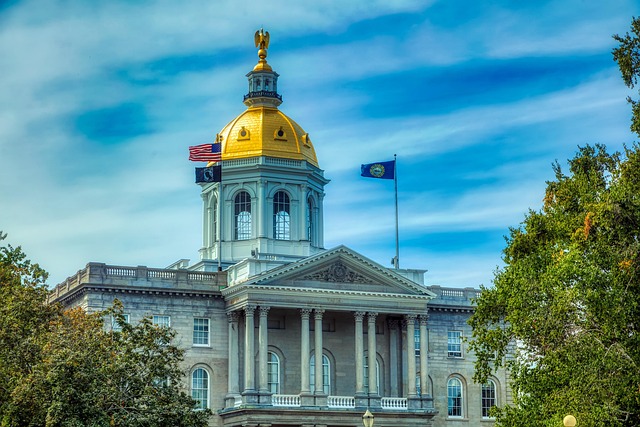
As a Rochester resident, staying informed about phone scams is crucial to protecting your family. One of the most effective strategies involves understanding New Hampshire’s spam call laws. The state has stringent regulations aimed at curbing unwanted calls, providing residents with legal protections. These laws are designed to empower individuals and families by giving them tools to combat persistent and harassing phone calls.
New Hampshire’s Spam Call Laws, enforced by the Attorney General’s Office, prohibit telemarketers from making deceptive or prerecorded calls to consumers without their prior express consent. This includes calls promoting goods or services, or those seeking donations or personal information. Violations can result in significant fines and legal action against both businesses and individuals involved in such practices. To enforce these rules, the Attorney General’s Office actively investigates complaints and collaborates with reputable spam call law firms in New Hampshire to pursue legal remedies.
Practical steps for Rochester residents include registering your phone number on the National Do Not Call Registry, a federal database that restricts telemarketing calls. Additionally, staying informed about emerging scams and sharing knowledge within your community can significantly enhance protections. By combining these measures with an awareness of your rights under New Hampshire’s spam call laws, you can create a robust defense against unwanted and potentially harmful phone activities, ensuring peace of mind for you and your family.
Protecting Your Family: Essential Tools and Apps for Scams

Protecting your family from phone scams is a multifaceted endeavor that requires both awareness and technology. As a Rochester resident, you face unique challenges due to rising spam call volumes targeting New Hampshire residents, with some unscrupulous callers masquerading as law firms. To fortify your defenses, consider implementing robust security tools and apps designed to identify and block these malicious attempts.
One of the most effective strategies involves using specialized call-blocking applications that learn to recognize scam patterns. These apps analyze caller ID data, numbers, and call content to flag suspicious activity. For instance, many reputable options, like CallGuard or TrueCall, offer extensive databases of known spammers and fraudulent numbers, automatically blocking them before they reach your family’s phone. Some even provide detailed reports on blocked calls, allowing you to stay informed about the evolving tactics employed by scammers.
In addition to app-based solutions, investing in a high-quality voice over IP (VoIP) phone service can offer enhanced security features. These services often include built-in call filtering and blocking mechanisms that complement your existing safety software. For example, Google Voice, a popular VoIP option, allows you to set up personalized call screening rules and forward unwanted calls directly to voicemail, ensuring your family members are not disturbed by potential scams.
Remember, staying one step ahead of scammers demands continuous vigilance and adaptation. Regularly review the capabilities of your security tools and apps, keeping them updated with the latest definitions and features. By combining technological defenses with a keen awareness of common scamming techniques, you can significantly reduce the risk of falling victim to phone scams and protect your family from unwanted intrusions into your personal lives.
Educate and Train: Building Awareness Among Family Members

As a Rochester resident, staying informed about phone scams is crucial to protecting your family. One of the most effective strategies lies in educating and training your loved ones about these deceptive practices. Scammers often pose as legitimate organizations, such as Spam call law firms in New Hampshire, to trick individuals into sharing personal information. By building awareness, you empower your family to recognize and avoid potential threats.
Start by explaining common scam tactics in simple terms suitable for all ages. Teach them to be cautious of unexpected calls, especially those demanding immediate action or threatening consequences. For instance, scammers might feign being from a law firm, claiming a relative is in legal trouble, or pretend to be tech support for a known software company. Emphasize the importance of verifying such claims independently by contacting the organization directly using official phone numbers or online resources.
Regular family meetings can serve as training sessions to reinforce these lessons. Share real-life examples and stories about scams to make the topic relatable. Encourage open dialogue where family members can share their experiences, concerns, or any suspicious calls they’ve received. This collaborative approach fosters a culture of vigilance and mutual support, ensuring everyone is alert to potential phone scam attempts.
Reporting Scams: Steps to Take and Local Resources in Rochester

As a Rochester resident, staying informed about phone scams is paramount to protecting your family. When faced with suspicious calls, reporting them is a crucial step. In 2022, the Federal Trade Commission (FTC) received over 467,000 complaints related to spam call law firms and other fraudulent schemes, highlighting the pervasive nature of these threats. Rochester’s local consumer protection agencies play a vital role in combating this issue.
The first step is to identify the scam. Common tactics include automated calls with pre-recorded messages, hangups, or those claiming to be from legal firms, government agencies, or financial institutions demanding immediate action. Once identified, document the call, noting the caller’s number, timing, and any specific information shared. Next, report the incident to local authorities and relevant consumer protection bureaus. In New Hampshire, the Attorney General’s Office provides resources for consumers to combat phone scams. You can file a complaint online or through their dedicated hotline, ensuring your information contributes to broader efforts.
Additionally, consider registering with the National Do Not Call Registry. This federal list restricts telemarketing calls to your personal telephone number. While it doesn’t block all scams, it significantly reduces legitimate but unwanted sales calls. Local Rochester organizations and community events often host workshops on consumer protection, where you can learn more about current scams and effective reporting methods. Staying proactive and informed is key to keeping your family safe in this digital age.