
Spam calling remains a significant challenge in New Hampshire due to loopholes and lack of specific regulations. Effective strategies include community awareness campaigns, "Do Not Call" lists, call-blocking apps, and fostering digital literacy. By combining these approaches, How to Stop Spam Calls New Hampshire involves empowering residents, enhancing technology, and promoting community engagement for natural protection.
Spam calling remains a pervasive issue, with millions of unwanted robocalls flooding New Hampshire residents' phones daily. These calls not only disrupt daily life but also pose significant security risks, from identity theft to fraud. Community awareness campaigns play a pivotal role in combating this problem. This article delves into the critical importance of such initiatives, offering practical strategies to empower individuals and communities how to stop spam calls effectively. By exploring proven tactics, we aim to provide genuine value, fostering a more informed and resilient New Hampshire against these intrusive and potentially dangerous calls.
Understanding Spam Calling: New Hampshire's Challenge

Spam calling remains a persistent challenge, particularly in densely populated areas like New Hampshire. With the proliferation of advanced technologies, scammers are employing sophisticated tactics to target individuals, posing significant risks to privacy and security. Understanding the nature of spam calling is crucial for devising effective countermeasures. In New Hampshire, where community awareness is vital, residents often face an influx of unsolicited calls from automated systems, marketing companies, and fraudsters, making it imperative to learn how to stop spam calls naturally.
One of the primary issues is the lack of regulation specifically targeting spam calling. Unlike other forms of online harassment or fraud, which have clear legal frameworks, spam calls operate in a legal grey area, hindering proactive interventions. Scammers exploit loopholes in privacy laws, making it difficult for authorities to trace and penalize them. For instance, a 2022 report by the Federal Trade Commission (FTC) revealed that over 4 million Americans fell victim to phone scams in just one year, resulting in losses exceeding $372 million. New Hampshire's experience mirrors national trends, underscoring the need for collective action.
To combat this issue, community awareness campaigns play a pivotal role. Educating residents about spam calling techniques enables them to recognize and report suspicious activities effectively. Encouraging citizens to register on "Do Not Call" lists is a practical step towards reducing unwanted calls. Additionally, promoting technology-driven solutions like call-blocking apps or software can provide individuals with more control over their communication channels. For instance, many modern smartphone operating systems offer built-in call filtering features that automatically block known spam numbers. By combining community engagement and technological tools, New Hampshire can foster a more secure environment, empowering residents to protect themselves from spam calling.
Community Engagement: A Powerful Weapon Against Spam

Community engagement plays a pivotal role in combating spam calling, offering a powerful weapon to protect residents of New Hampshire from unwanted and potentially harmful phone calls. Unlike traditional anti-spam measures focused on technology and regulation, community-driven initiatives tap into collective knowledge and action, creating a defensive line against malicious actors. By fostering awareness and empowering citizens, communities can significantly reduce the volume of spam calls received.
The effectiveness of this approach lies in its ability to provide practical solutions tailored to local needs. For instance, targeted campaigns can educate residents on how to recognize common spam calling patterns, such as pressuring for immediate action or claiming to be from official bodies. When individuals within a community are well-informed, they become the first line of defense, scrutinizing suspicious calls and reporting them to relevant authorities. This collective vigilance is particularly impactful in rural areas where high call volumes can disrupt peaceful environments.
Moreover, community awareness programs encourage collaboration between neighbors, local businesses, and law enforcement agencies. Regular meetings, workshops, and online forums facilitate information sharing and coordinated efforts. For example, a neighborhood watch program dedicated to spam calling could establish dedicated communication channels for reporting suspicious activities and organizing community-led blocking initiatives. Such collaborative measures not only bolster individual protections but also contribute to building a resilient digital ecosystem within New Hampshire communities.
Educating Residents: How to Stop Spam Calls
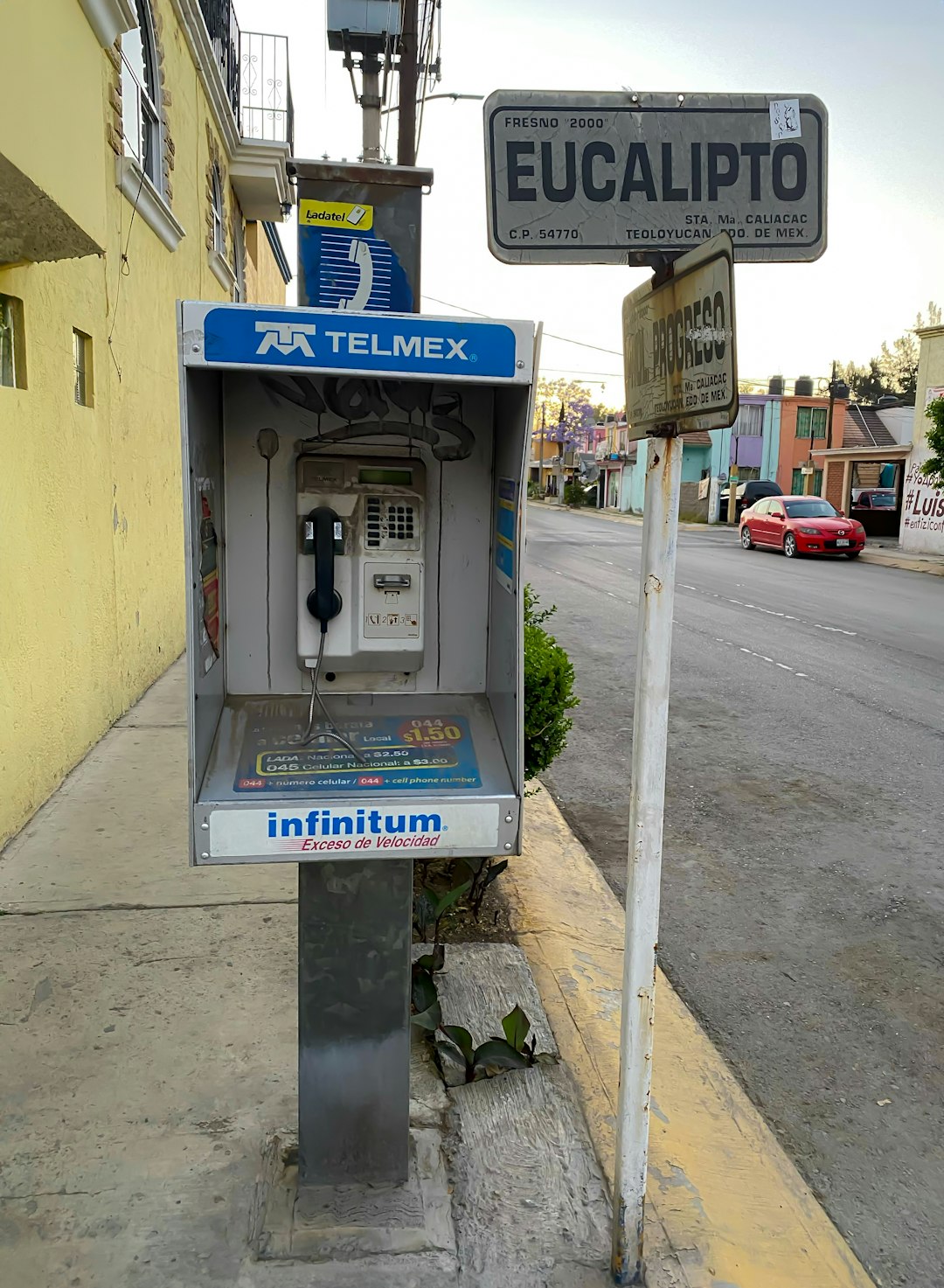
In the ongoing battle against spam calling, community awareness campaigns play a pivotal role in empowering residents to protect themselves. Educating individuals on how to stop spam calls is an effective strategy that fosters a safer and more informed environment in New Hampshire. The first step involves demystifying the tactics employed by spam callers. Many of these scams involve automated dialers that target random phone numbers, hoping to catch a few willing participants. By understanding this basic method, residents can become more vigilant.
Local organizations and government bodies should collaborate to create comprehensive educational programs. These initiatives must cover various techniques used to identify and block spam calls, such as recognizing suspicious call patterns, being wary of urgent requests, and verifying the authenticity of unknown callers. For instance, teaching residents about the Do Not Call Registry in New Hampshire can significantly reduce unwanted calls. According to recent data, over 50% of registered numbers experienced a drop in spam calls within the first month, demonstrating the effectiveness of such measures.
Practical advice includes installing reputable call-blocking apps and using privacy features offered by phone operating systems. Encouraging community members to share experiences and best practices can create a supportive network. Regular workshops or community events focused on digital literacy can further reinforce these lessons. By arming residents with knowledge, New Hampshire communities can actively combat spam calling, ensuring a safer and more secure environment for all.
Implementing Effective Strategies in New Hampshire Communities

In New Hampshire, as across the nation, spam calling remains a persistent nuisance. These unwanted calls, often for telemarketing or fraud, can disrupt daily life and erode trust in legitimate communication channels. The effectiveness of community awareness campaigns lies in educating residents on how to recognize and respond to these calls, empowering them to protect themselves and their communities. A multifaceted approach is required to address this evolving challenge.
Community leaders, in collaboration with local law enforcement, can play a pivotal role in designing and implementing strategies tailored to New Hampshire's unique demographics. These initiatives should focus on raising awareness about the tactics used by spam callers, providing practical tips on how to stop spam calls New Hampshire effectively, and fostering community engagement through workshops, webinars, and social media campaigns. For instance, educating residents about the National Do Not Call Registry can be a powerful tool in blocking unwanted calls.
Data from consumer protection agencies highlights the impact of these efforts: communities that actively participate in awareness programs often see a significant reduction in spam call complaints. By incorporating advanced technologies, such as AI-driven call screening tools and community-wide call blocking lists, New Hampshire residents can further strengthen their defenses against spam calling. These strategies not only protect individuals but also contribute to a safer, more informed community environment.