
In New Hampshire, robust data privacy laws protect residents' personal information, including phone numbers, from unauthorized disclosure. Spam calls, unsolicited marketing calls, violate these laws. Spam call lawyers New Hampshire enforce these regulations, assist individuals in understanding their rights, and seek remedies for misuse of personal data. Residents are advised to be cautious about sharing phone numbers, register with the Do Not Call registry, and report spam calls to the Federal Trade Commission (FTC). Effective solutions include call blocking technologies, consumer education, and legal action against violators. Spam call lawyers play a crucial role in advocating for consumer rights and prosecuting aggressive marketers. By combining legal deterrents, technology, and consumer awareness, New Hampshire can mitigate spam calling, safeguarding digital privacy.
In the digital age, data privacy has emerged as a paramount concern, especially with the rise of intrusive spam calling. This pervasive issue affects individuals and businesses alike, with unwanted calls leading to reduced productivity and increased frustration. Rochester, like many urban centers, grapples with this challenge on a daily basis. To combat this, it's crucial to unravel the intricate connection between data privacy laws, particularly those enforced by Spam Call Lawyers New Hampshire, and their impact on curbing spam calling activities. This article aims to delve into this complex landscape, offering insights that could transform how we perceive and mitigate these intrusions.
Understanding Data Privacy Laws in New Hampshire
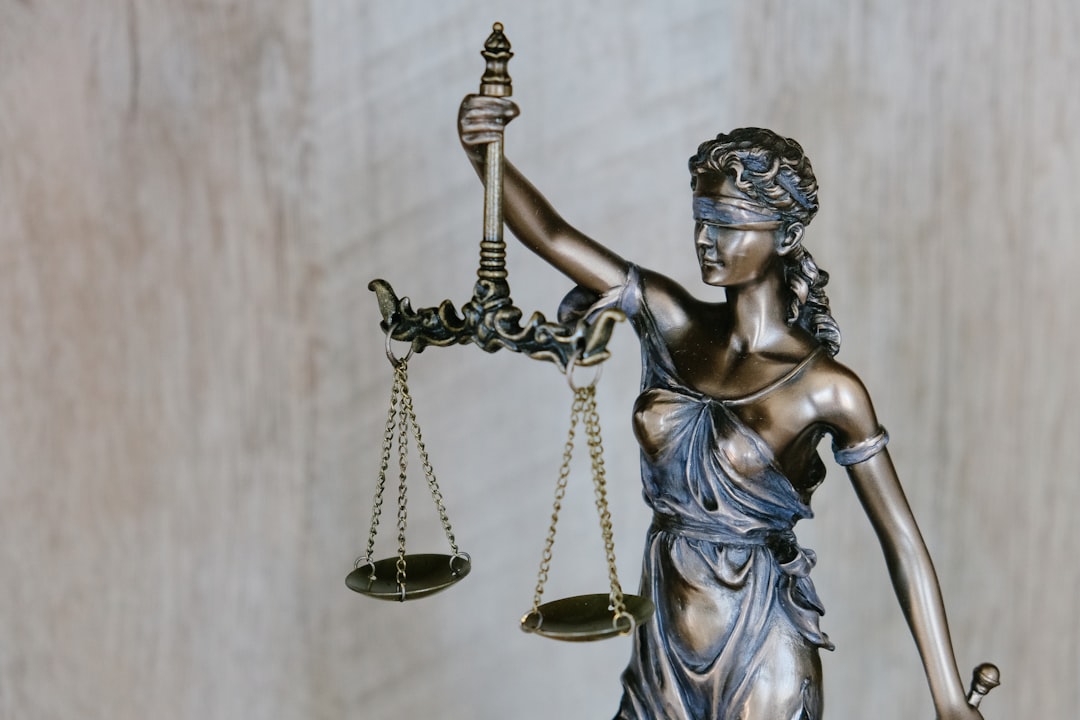
In the digital age, the interplay between data privacy and spam calling has become a critical issue, especially with the evolving landscape of telecommunications. New Hampshire, like many states, has established comprehensive data privacy laws to protect its residents' personal information. Understanding these regulations is essential for both businesses and individuals alike, particularly in the context of spam calls. The state's laws provide a robust framework that not only safeguards citizens' rights but also serves as a deterrent for unscrupulous callers.
New Hampshire's data privacy laws are designed to give residents control over their personal data. For instance, the New Hampshire Consumer Protection Act prohibits businesses from selling or disclosing personal information without explicit consent. This includes phone numbers, which are considered sensitive data under these regulations. Spam calls, often characterized by unsolicited and repetitive marketing calls, blatantly violate this privacy. Lawyers specializing in spam call cases in New Hampshire play a pivotal role in enforcing these laws. They assist individuals in understanding their legal rights, helping them take action against violators, and seeking appropriate remedies for any misuse of personal information.
Practical advice for residents is to be vigilant about sharing phone numbers and to familiarize themselves with the state's Do Not Call registry. By registering their numbers, they can limit the number of marketing calls received. Moreover, recognizing legitimate versus spam calls is crucial; residents should scrutinize call sources and avoid providing personal details unless fully aware of the caller's identity and purpose. Collaboration between consumers, legal experts, and regulatory bodies is essential to combat spam calling effectively while ensuring data privacy remains a top priority in New Hampshire.
The Rise of Spam Calling: A Legal Perspective

The proliferation of spam calling has become an increasingly pressing concern, especially with advancements in technology allowing for more sophisticated methods of unsolicited communication. This surge in spam calls, particularly automated or robocalls, has not only become a nuisance but also raises significant legal and privacy issues. In Rochester and across New Hampshire, the rise of these unwanted calls has prompted a closer examination of data privacy laws and their application in combating spam calling.
From a legal perspective, the increased prevalence of spam calls underscores the need for stricter enforcement of existing legislation designed to protect consumers' rights to privacy. Spam call lawyers New Hampshire are at the forefront of this battle, advocating for clients whose personal information has been misused. Many states, including New Hampshire, have enacted laws that regulate telemarketing practices and offer consumers recourse against intrusive and illegal calls. These laws often prohibit automated dialing systems from contacting residents without prior consent, a violation that can result in substantial fines. For instance, the Telephone Consumer Protection Act (TCPA) in the U.S. provides significant penalties for violators, making it a powerful tool in deterring spam calling activities.
Practical steps to combat this issue include implementing robust call blocking technologies and educating individuals on privacy settings. Consumers should be vigilant about sharing their contact information and can request removal from company marketing lists. Additionally, staying informed about one's rights under data privacy laws empowers individuals to take legal action against spam call perpetrators. New Hampshire residents who experience persistent or illegal spam calling are encouraged to report it to the Federal Trade Commission (FTC) and consult with Spam call lawyers New Hampshire to explore their legal options, ensuring that their privacy rights are respected and upheld in this digital age.
Protecting Consumers: Strategies Against Spam Calls

In the digital age, protecting consumers from spam calls has become a paramount concern, especially as sophisticated technologies enable increasingly intrusive marketing tactics. Rochester, like many urban centers, faces unique challenges in mitigating the deluge of unsolicited calls, which not only disrupt daily life but also pose significant privacy risks. With the rise of automated phone systems and personal data breaches, consumers are more vulnerable than ever to fraudulent activities and identity theft. This phenomenon underscores the critical need for robust strategies to combat spam calling, ensuring a safer digital environment.
Spam call lawyers in New Hampshire play a pivotal role in advocating for consumer rights and shaping legal frameworks to address this growing problem. These experts have been instrumental in exposing and prosecuting companies that engage in aggressive or deceptive marketing practices. For instance, recent cases have targeted robocallers who violate do-not-call lists and use false pretexts to gather personal information. As a result, stringent penalties have been imposed, serving as a deterrence for similar activities. Legal interventions not only protect consumers but also encourage businesses to adopt ethical data handling practices, fostering a more transparent digital ecosystem.
Practical solutions to combat spam calls involve a multi-faceted approach. Consumers can empower themselves by registering on national do-not-call lists and utilizing call-blocking apps or devices. Additionally, adopting robust privacy settings on communication platforms and being cautious of sharing personal information online are essential steps. On a broader scale, industry regulators and government bodies must collaborate to update laws and promote better data privacy practices. This includes implementing stricter protocols for data collection, storage, and usage, ensuring that companies handle consumer information responsibly. By combining legal deterrents, technological advancements, and consumer awareness, Rochester can effectively navigate the complex landscape of spam calling, ultimately safeguarding its residents' digital privacy.