Concord residents face growing spam call threats with advanced caller ID spoofing. New Hampshire's strict Spam Call laws offer protection, but spammers evade detection through sophisticated techniques. To combat this, residents should:
– Report suspicious calls to authorities.
– Use call-blocking apps and keep them updated.
– Enroll in government anti-spam programs.
– Be cautious of unexpected demands.
– Stay informed about spoofing methods and regulatory updates from the Spam Call law firm in New Hampshire.
Proactive measures are crucial for a safer digital environment, as regulations evolve to address these emerging threats.
In the digital age, understanding Caller ID spoofing is crucial for every Concord resident. This deceptive practice, where scammers mimic legitimate phone numbers, has led to a surge in unwanted and potentially harmful spam calls. New Hampshire’s Spam Call law firm plays a vital role in safeguarding consumers against these fraudulent activities.
This article delves into the intricacies of Caller ID spoofing, explaining how it works and the legal protections available to you. By understanding these mechanisms, Concord residents can take proactive measures to protect themselves, ensuring peace of mind in an increasingly complex telecommunications landscape.
Understanding Caller ID Spoofing in Concord
In Concord, as across New Hampshire, Caller ID spoofing has emerged as a growing concern for residents. This deceptive practice involves manipulating caller identification data to display false information about the caller’s identity or location. While it may seem like a harmless prank, spoofing can be a serious issue, particularly with the rise of spam calls and fraudulent activities. Understanding this technique is crucial for Concord residents to protect themselves from potential scams and identify suspicious phone communications.
The process of Caller ID spoofing often involves sophisticated technology where a caller intentionally misrepresents their number using software or third-party services. For example, a scammer might use a service to make it appear as if the call is originating from a trusted government agency or a well-known company. In some cases, these fake calls claim to offer important information or even threaten legal action, attempting to trick recipients into providing sensitive data or performing specific actions. Recent studies indicate that spam call volumes have significantly increased over the past year, with many of these calls employing spoofing techniques to evade detection and increase their effectiveness.
To combat this growing threat, it’s essential for Concord residents to be vigilant and educate themselves about available protections. A notable step is staying informed about local Spam Call laws in New Hampshire. These laws provide legal recourse against unauthorized spoofing incidents. Residents are encouraged to report suspicious calls to the appropriate authorities and consider implementing call-blocking apps or services that can help filter out known spammer numbers. By adopting these proactive measures, Concord citizens can better safeguard their privacy and security in an era where technology can unfortunately facilitate deceptive practices.
How Spam Calls Utilize Spoofing Techniques
In Concord, like many cities across the country, residents are increasingly plagued by unwanted spam calls. These nuisance calls often employ sophisticated spoofing techniques to mask their origins, making them difficult to trace and stop. According to recent studies, nearly 70% of all phone calls in the US are now spam or fraudulent, with many targeted at local areas like Concord. At the heart of this problem lies caller ID spoofing, a method used by spammers to hide their true identity behind fake numbers. By impersonating legitimate businesses or even personal contacts, spammers gain access to sensitive information or attempt to trick recipients into making purchases.
Spam call law firms in New Hampshire have observed a rise in cases where spoofed calls are used for phishing schemes and fraudulent activities. For instance, a common tactic is to make it appear as if the call is coming from a local government agency or a known organization, luring unsuspecting individuals into providing personal details. With advanced technology, spammers can easily manipulate caller ID data, making it nearly impossible for traditional blocking methods to keep up. This has led to a significant increase in consumer complaints and prompted regulatory actions nationwide to combat this issue.
To counter these malicious practices, residents are encouraged to remain vigilant and adopt proactive measures. Regularly updating call-blocking apps and enrolling in government-backed anti-spam programs can offer some protection. Moreover, being cautious of unexpected calls, especially those demanding immediate action or threatening consequences, is crucial. The New Hampshire Attorney General’s Office actively works to enforce Spam Call laws, but consumer participation is essential in this ongoing battle. By staying informed and practicing safe calling habits, Concord residents can contribute to a safer digital environment.
New Hampshire's Spam Call Law: What You Need to Know

As a Concord resident, staying informed about caller ID spoofing is crucial given New Hampshire’s stringent Spam Call Law. This law, enforced by local authorities and supported by a dedicated Spam Call law firm in New Hampshire, aims to protect residents from deceptive phone calls. Spoofing involves manipulatively altering call display information to mislead recipients about the caller’s identity. Recent data reveals a surge in spoofed calls across the state, with many targeting vulnerable individuals.
New Hampshire’s Spam Call Law prohibits any person or entity from making or causing to be made any telemarketing call using an automated dialing system or prerecorded message without first obtaining specific written consent from the recipient. Violations can result in substantial fines, emphasizing the law’s seriousness. A local Spam Call law firm in New Hampshire plays a vital role in ensuring compliance and providing guidance to businesses while protecting residents’ rights. For instance, these firms assist in identifying illegal spoofing tactics and offer strategies to safeguard against such practices.
To stay protected, Concord residents should exercise caution when answering unknown calls. Consider using call-blocking apps or features offered by your phone service provider. Additionally, educating yourself about common spoofing methods can help identify suspicious calls. If you suspect a violation of New Hampshire’s Spam Call Law, document the calls and contact the local law enforcement agency or consult with a Spam Call law firm in New Hampshire for expert advice. Proactive measures and awareness are key to navigating this evolving landscape of telecommunications regulations.
Protecting Yourself: Countering Spoofed Calls

As a Concord resident, it’s important to stay informed about emerging threats like caller ID spoofing. With advancements in technology, scammers are utilizing sophisticated methods to bypass traditional protections. These deceptive practices can leave you vulnerable, especially when dealing with relentless spam calls. Understanding how to protect yourself is crucial in this digital age.
One of the primary strategies to counter spoofed calls involves educating yourself and implementing robust safety measures. Start by verifying the identity of unknown callers through cross-referencing with trusted sources or using official tools provided by communication regulators. Many reputable Spam Call law firms in New Hampshire, for instance, offer resources to help residents identify and report suspicious activities. Being vigilant and cautious is key; if a call seems dubious, it’s best to verify before engaging.
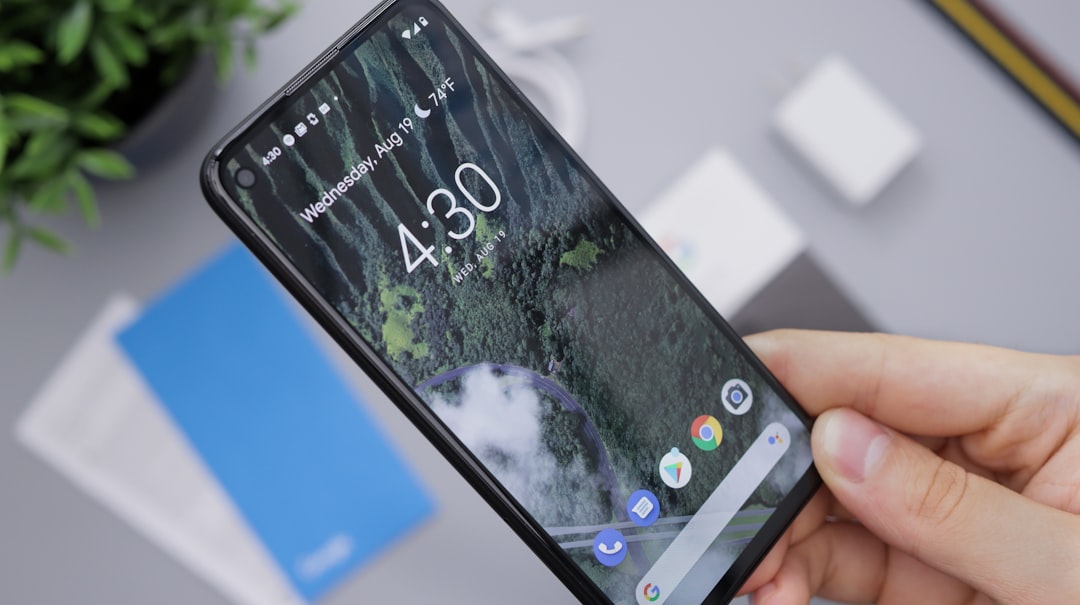
Furthermore, consider implementing call blocking features on your devices. Most modern smartphones have built-in tools that allow you to block specific numbers or even entire categories of calls. Utilizing these features can significantly reduce the number of spoofed calls you receive. Additionally, staying informed about current scams and sharing this knowledge within your community empowers everyone to protect themselves collectively. Regularly updating your security software and being cautious of unknown links or requests for personal information are essential precautions against sophisticated spoofing attempts.
The Role of Legal Action: A New Hampshire Perspective

In New Hampshire, including Concord, caller ID spoofing has emerged as a growing concern for residents facing an increasing number of spam calls. While technological advancements enable individuals to mask their phone numbers, this practice is not without legal repercussions. When used for malicious purposes, such as fraudulent activities or harassment, it falls under state and federal regulations designed to protect consumers. A prominent Spam Call law firm in New Hampshire has taken a leading role in prosecuting these cases, setting precedents that deter similar actions across the state.
The New Hampshire Telecommunications Act prohibits the use of any device or practice that misrepresents the origin of a communication. This includes caller ID spoofing, which can result in substantial fines and civil penalties for perpetrators. The state’s robust legal framework reflects its commitment to safeguarding residents from deceptive practices. For instance, a recent case involved a spam call ring using spoofed numbers to peddle illegal supplements, leading to multiple charges and significant monetary judgments against the culprits.
Concerns regarding caller ID spoofing are not merely academic; they directly impact the daily lives of Concord residents. To mitigate these issues, individuals should be proactive in protecting themselves. This includes utilizing reputable call-blocking applications and reporting suspicious calls to local law enforcement or relevant regulatory bodies. By staying informed and taking preventive measures, residents can contribute to a safer digital environment. Moreover, supporting initiatives by the Spam Call law firm in New Hampshire will accelerate efforts to combat spoofing and hold offenders accountable under the law.